Planning a trip
First Trip to Morocco: Everything You Need to Know Before You Go
· 3 min read
On this page
Visiting Morocco for the first time is one of the most rewarding sensory travel experiences in the world. Between labyrinthine medieval medinas, aromatic tagines simmering over glowing charcoal, and snow-dusted High Atlas passes, the country feels thousands of miles away from Western Europe despite sitting just a short hop across the Strait of Gibraltar.
Here is the straightforward advice we gathered for a first trip.
Visa and Entry Requirements
Citizens of the United Kingdom, United States, Canada, the European Union, Australia, and New Zealand do not need a visa for tourist stays up to 90 days. You simply need a passport valid for at least three to six months beyond your departure date.
At airport immigration, officers will stamp your passport with an entry stamp and an individual police registration number (CIN/registration code). Hold onto boarding passes and remember your hotel or riad’s name and neighborhood, as immigration cards or verbal checks frequently ask where you are staying your first night.
Money, Cash, and Tipping in Morocco
The currency is the Moroccan Dirham (MAD). While high-end riads, modern supermarkets like Marjane or Carrefour, and upscale restaurants in Casablanca or Marrakech accept credit cards (Visa and Mastercard), Morocco remains an overwhelmingly cash-first economy.
- ATMs: Withdrawing dirhams directly from bank ATMs (Attijariwafa Bank, Banque Populaire, BMCE) provides the best exchange rates. Always decline dynamic currency conversion (DCC) and choose to be billed in local currency (MAD).
- Small Change: Keep 10, 20, and 50 MAD notes ready for small purchases, taxis, and tips. Breaking a 200 MAD note for a 15 MAD taxi ride can be difficult for drivers.
- Tipping (Pourboire): Tipping is customary and appreciated. Round up café bills by 2–5 MAD; leave 10–15% at sit-down restaurants; tip luggage porters in medinas 10–20 MAD per bag.
Local SIM Cards and Mobile Internet
Do not rely on roaming packages, which are notoriously expensive. You can pick up a physical local SIM or eSIM immediately upon arrival at Casablanca Mohammed V (CMN), Marrakech Menara (RAK), or Tangier (TNG) airports.
The three primary mobile telecom operators are:
- Maroc Telecom (IAM): The strongest coverage nationwide, particularly in the High Atlas mountains and southern Sahara routes.
- Orange Morocco: Excellent 4G/5G speeds in major cities and popular tourist hubs.
- Inwi: Budget-friendly packages with solid coverage in urban centers.
A typical prepaid data package costs ~50 MAD for 5 GB or ~100 MAD for 10–15 GB of high-speed data.
Cultural Etiquette and What to Wear
Morocco is an Islamic, culturally conservative yet welcoming and hospitable country. You do not need to dress head-to-toe in traditional clothing, but respecting local cultural norms will guarantee warm interactions everywhere you travel.
- Cover Shoulders and Knees: In medinas, rural villages, and traditional quarters, both men and women should wear clothing that covers shoulders and extends past the knees (loose linen shirts, maxi dresses, light trousers).
- Beach Towns: In coastal resort hubs like Taghazout, Essaouira, and Agadir, standard swimwear is completely normal on the beaches and resort pools. When walking into town streets, always slip on a cover-up or t-shirt.
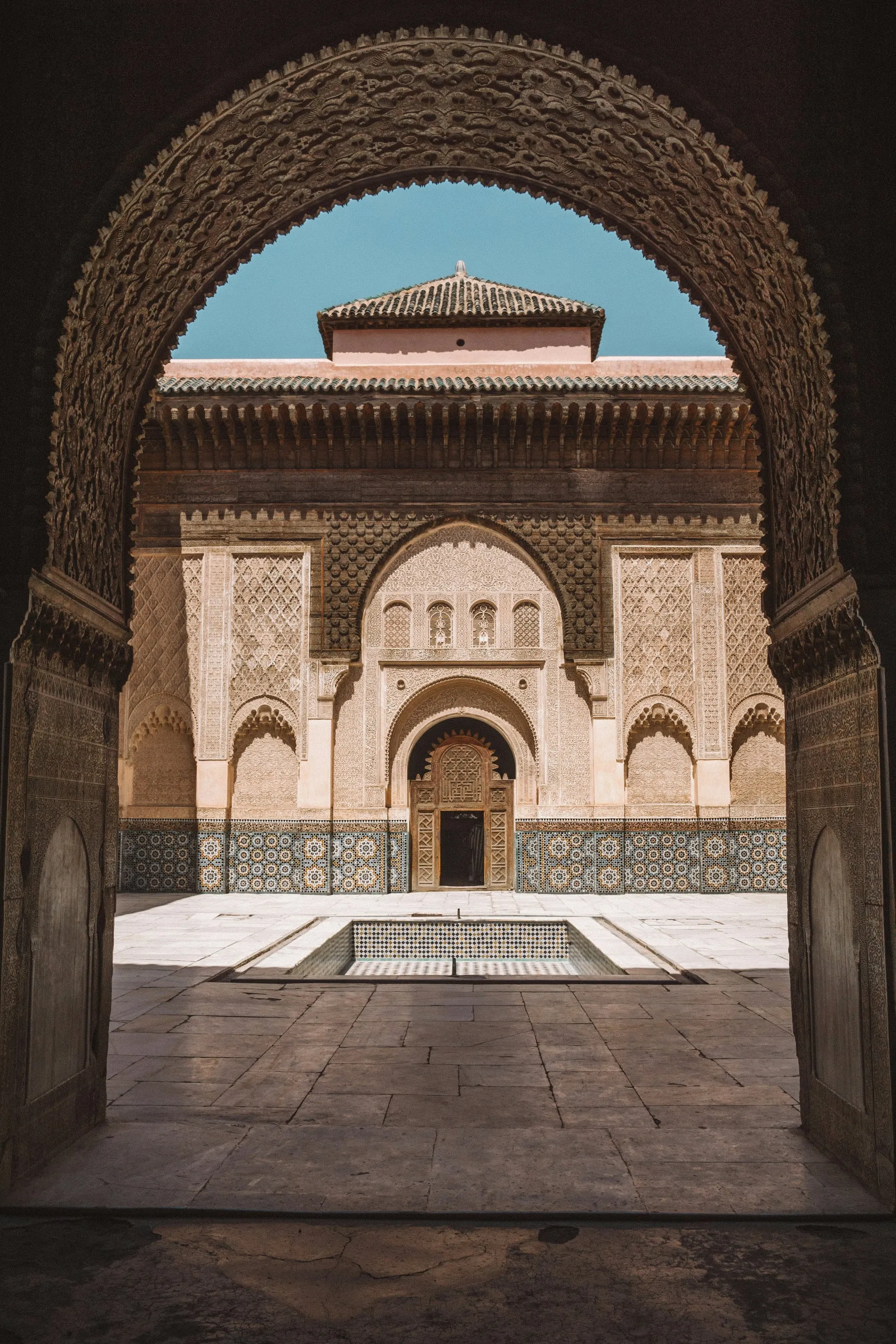
- Mosques: With the singular exception of the monumental Hassan II Mosque in Casablanca, non-Muslims cannot enter active mosques in Morocco. You can, however, admire courtyards from open archways and visit historic deconsecrated madrasas (such as Ben Youssef in Marrakech and Bou Inania in Fès).
Getting Around: Trains, Buses, and Taxis
Getting between major cities in Morocco is surprisingly smooth and affordable:
- Al Boraq High-Speed Train: Africa’s fastest train links Tangier to Kenitra, Rabat, and Casablanca in just 2 hours and 10 minutes at 320 km/h. Clean, punctual, and highly recommended.
- Atlas Classic Trains: Comfortable conventional trains link Casablanca and Rabat southward to Marrakech and eastward to Meknès and Fès.
- CTM and Supratours Coaches: For mountain and desert destinations not reached by the rail network (Chefchaouen, Essaouira, Merzouga, Ouarzazate), book air-conditioned long-distance coaches online in advance.
Published 3 min readChecked by Morocco Insider Tips on November 6, 2026
This post is also available in: Français
About the author
We gather the best attractions, destinations and routes in Morocco, with real prices and practical tips to help you plan your trip.